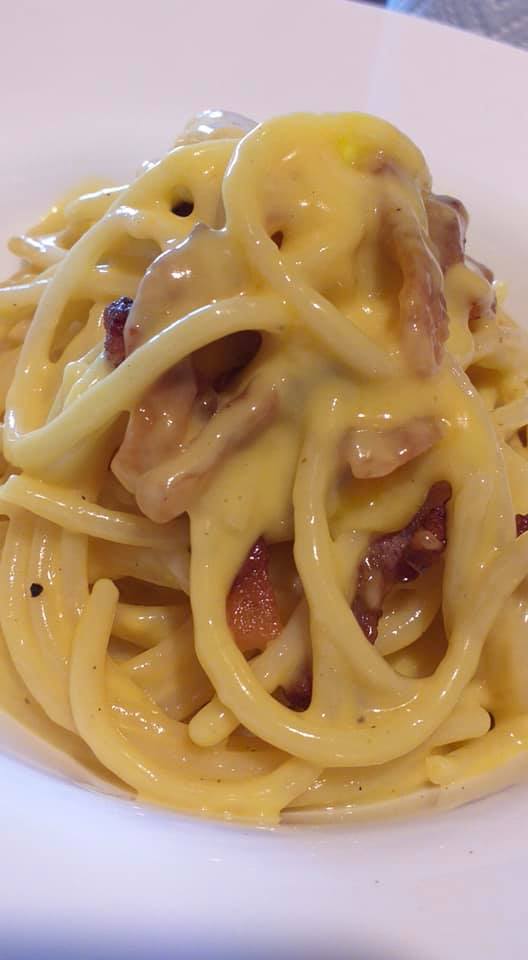
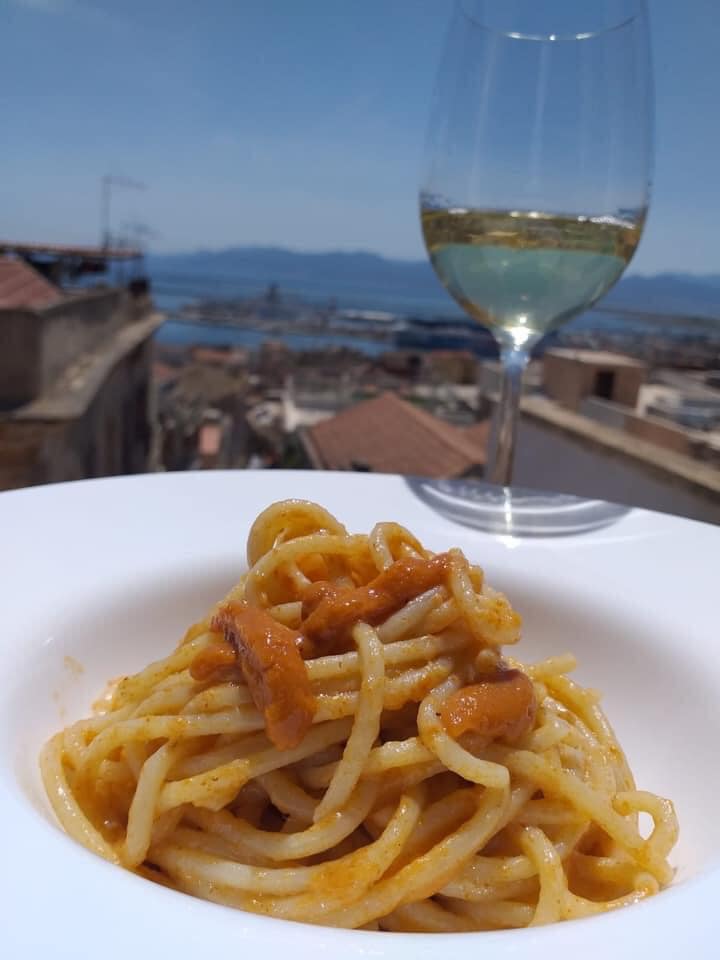
Artisanal Italian Pasta

1. Our Philosophy: We Are What We Eat

You may have already read a phrase we deeply care about: “We are what we eat.” This concept is the foundation of our approach, because health directly depends on the choices we make daily in the kitchen. That’s why we share the results of our research, helping you make conscious food choices. Previously, we discussed key factors to consider when buying pasta: wheat origin, extrusion method, and drying process. Today, we explore something extraordinary: a company that produces its own pasta using flour milled in its own mill from 100% self-grown wheat. The real innovation is transparency: by scanning the QR code on the package, you can trace the exact field from which the wheat in that pasta pack comes.

2. Transparency and Safety: Glyphosate-Free

This transparency directly impacts your health: you can be sure the product is free from Glyphosate, a herbicide classified as a “probable human carcinogen” by the International Agency for Research on Cancer (IARC). Recent studies have linked exposure to this substance to several conditions, including celiac disease. In Italy, Glyphosate use is regulated and prohibited in certain cases under the 2016 Ministry of Health decree. Despite this, traces of Glyphosate have been found in some pasta brands, suggesting that even if they declare Italian wheat, some producers may mix it with imported wheat from countries like Canada, where Glyphosate use is legal and commonly applied to accelerate drying and increase protein content. For example, in 2017, Italy imported 720 million kilos of wheat from Canada, where pre-harvest Glyphosate treatment is common practice.
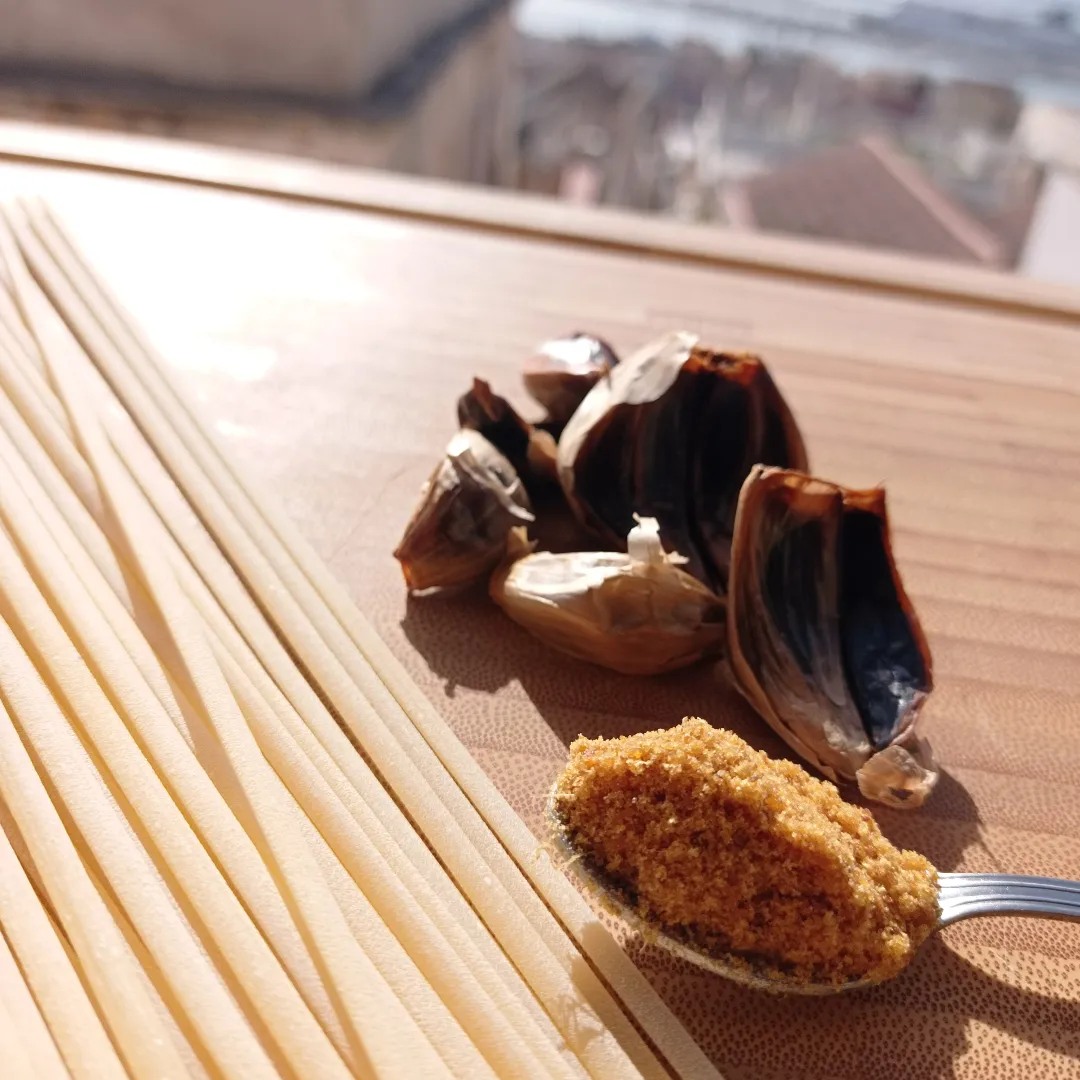
Pasta Product Detail

3. Drying Process: Quality and Nutritional Values

The drying phase is crucial for pasta quality. Slow drying preserves wheat properties and prevents the formation of furosine, a substance that forms at high temperatures and reduces both nutritional and organoleptic qualities. Modern factories use dryers exceeding 90°C to shorten production time, resulting in pasta that is less nutritious and more yellow. Our pasta, on the other hand, is slowly dried for 24-48 hours at temperatures never exceeding 32°C, preserving nutritional value, avoiding harmful substances, and ensuring superior quality. Every detail, including chemical analyses and furosine content, is indicated on the package. For us, transparency, awareness, and health are concrete principles, not empty words.

Pasta Production Origin

4. Color and Conscious Choice

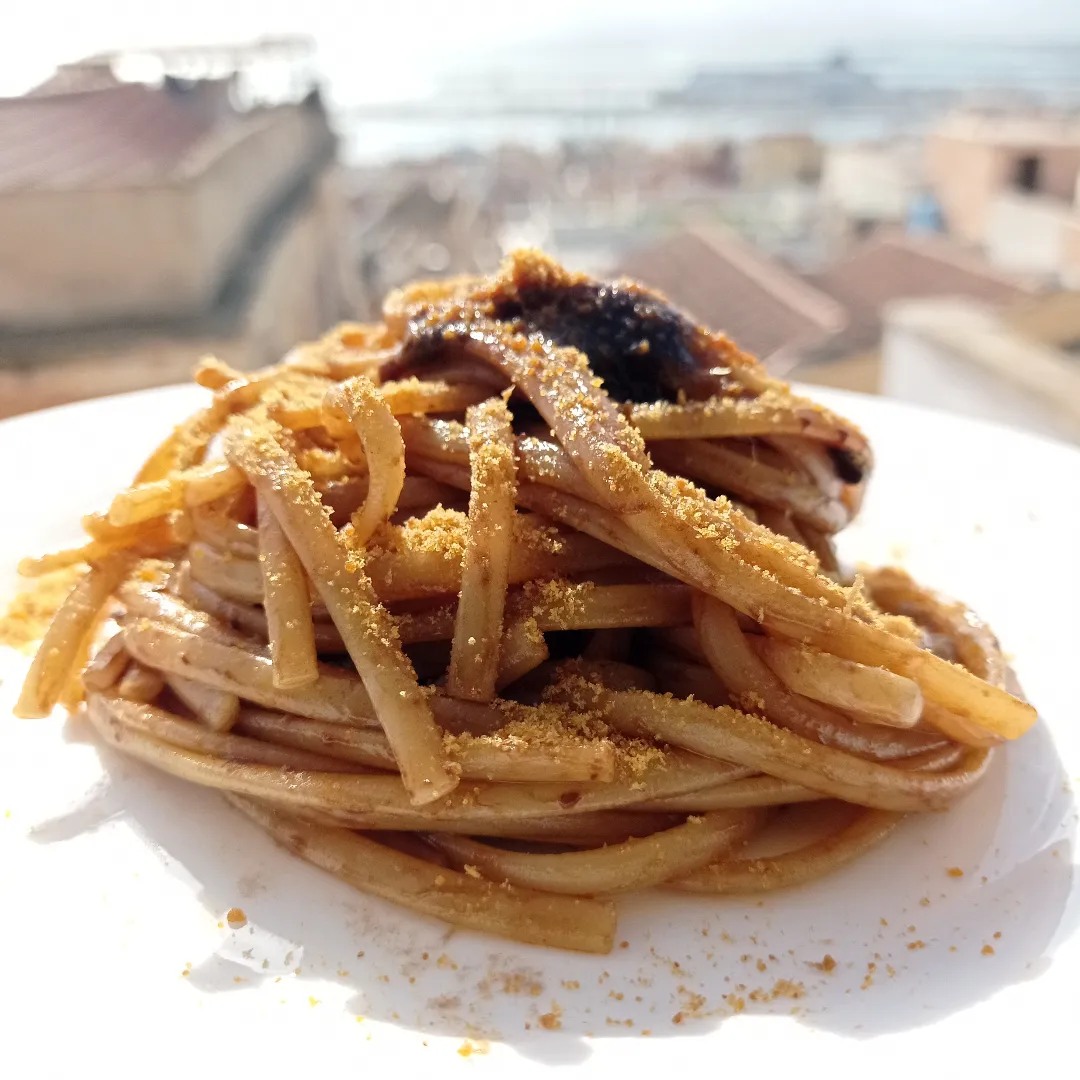
The pasta’s color also reveals a lot about its quality. Industrial pasta, dried at high temperatures, tends to become darker yellow, indicating higher furosine content and lower nutritional quality. Slowly dried pasta maintains a lighter color and higher nutritional values. Every detail, from wheat origin to drying, affects the final product’s quality. The choices we make as consumers directly impact our health and the environment. The pasta we offer reflects clear values: transparency, health, and quality, which you can verify firsthand in our store.

Pasta Usage

Availability & Information

Contact us to check product availability or receive personalized advice.

Contact Us on WhatsApp
💬